Cold Chain Packaging: How to Protect Temperature-Sensitive Products in Transit
A product’s journey does not end when it leaves your facility.
Between fulfillment, carrier handling, cross-docks, delivery vehicles, weather conditions, and final delivery, a shipment can encounter far more temperature variation than many businesses expect. For products affected by heat, cold, freezing, humidity, or temperature swings, the packaging around that product becomes a critical part of quality control.
That is where cold chain packaging comes in.
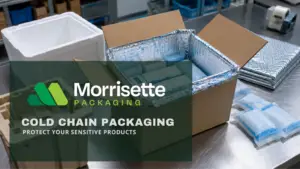
Cold chain packaging helps protect temperature-sensitive products throughout shipping by combining the right insulation, refrigerants, protective materials, and packout design for the shipment’s specific needs.
What Is Cold Chain Packaging?
Cold chain packaging is a temperature-control system designed to help keep a product within its required temperature range during storage and transit.
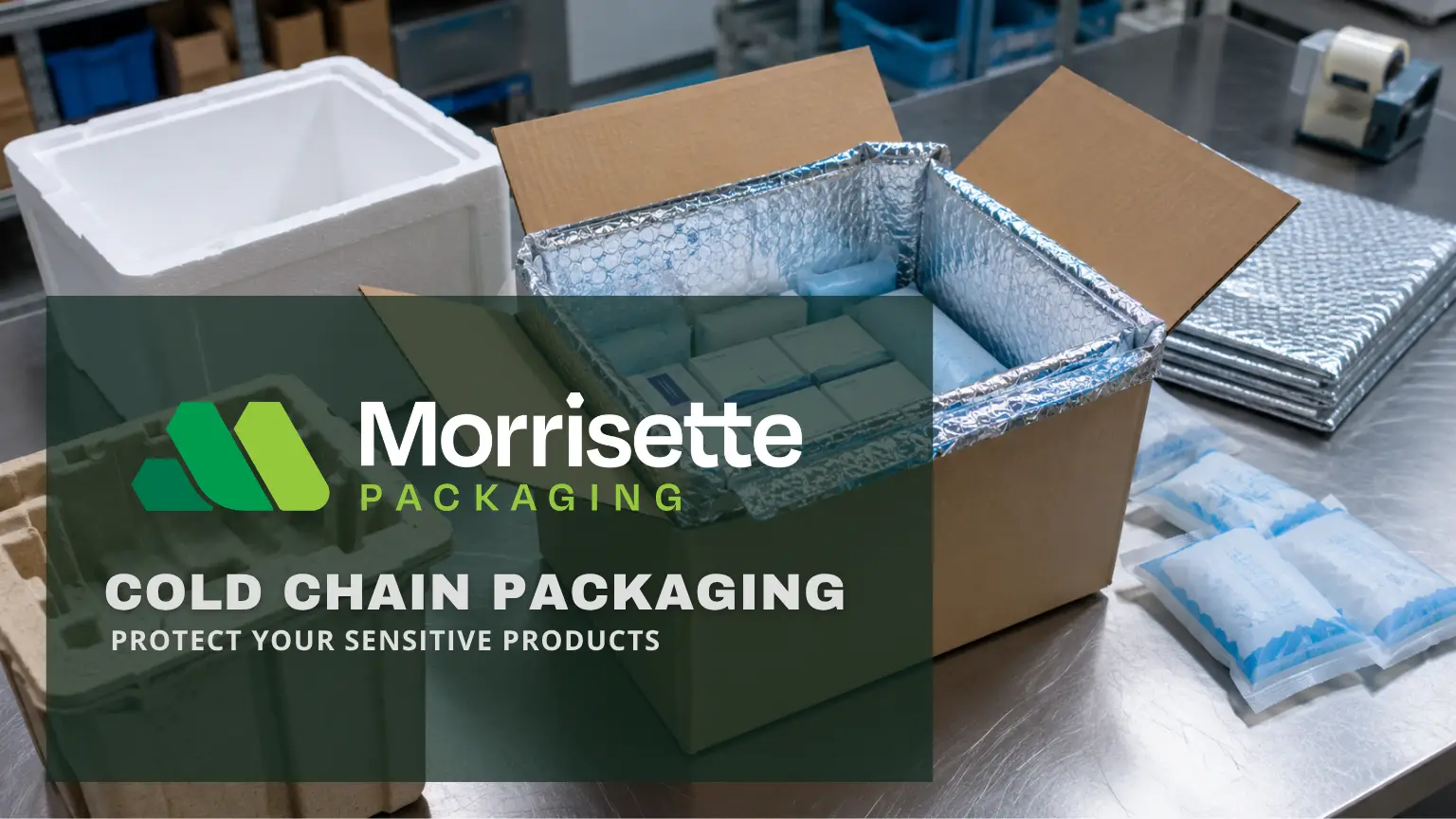
A complete cold chain packout may include:
-
Insulated shippers or liners
-
EPS coolers or molded fiber insulation
-
Foil bubble liners
-
Gel packs, phase-change materials, or dry ice
-
Temperature indicators or data loggers
-
Protective packaging that keeps products properly positioned inside the shipper
The goal is not simply to make a box “cold.” The goal is to create a dependable packout that accounts for the product’s temperature requirements, shipping duration, carrier method, time of year, destination, and expected transit conditions.
Why Temperature Control Matters in Transit
For the right products, temperature control can be the difference between a successful delivery and a costly replacement.
When a shipment spends too long in a hot delivery vehicle, sits on a loading dock, encounters freezing temperatures, or experiences a carrier delay, the product inside may no longer arrive in the condition your customer expects.
A well-designed cold chain packaging solution can help businesses:
-
Protect product quality and performance
-
Reduce spoilage, damage, returns, and replacement costs
-
Support customer satisfaction and brand confidence
-
Maintain consistency across seasons and shipping lanes
-
Build a more reliable delivery experience for sensitive products
For food, pharmaceuticals, medical products, cosmetics, specialty chemicals, and other sensitive items, temperature control is not an afterthought. It is part of the product experience.

Which Products May Need Cold Chain Packaging?
Food and pharmaceuticals are the most obvious examples, but they are far from the only products affected by temperature.
Food and Beverage
Perishable food products often require temperature control to help maintain safety, freshness, texture, flavor, and shelf life during transit. Fresh meal kits, dairy products, seafood, meat, specialty desserts, frozen products, produce, and other refrigerated foods may all require a carefully designed shipping solution.
Pharmaceuticals and Medical Products
Some pharmaceuticals, biologics, specialty medications, diagnostics, and medical devices have specific temperature-storage requirements. In these situations, the packout needs to support the product’s labeled storage conditions while providing documentation, monitoring, and repeatable performance where required.
Cosmetics and Personal Care Products
Heat can soften, melt, separate, or damage some cosmetics, creams, balms, wax-based products, and other personal-care items. Cold weather can also affect certain formulations. A product that looks fine on a retail shelf may still need thermal protection when moving through a hot or freezing shipping environment.
Specialty Products and Chemicals
Adhesives, coatings, inks, laboratory materials, nutritional products, floral products, specialty beverages, and certain industrial materials may all be affected by extreme temperatures. The key question is simple: what happens to the product when it sits outside its preferred storage range?
What Makes a Cold Chain Packout Work?
The right cold chain packaging solution is built around more than an insulated container.
A dependable packout considers:
-
The product’s required temperature range
-
Product weight, shape, and quantity
-
The desired shipping duration
-
Origin and destination climate conditions
-
Seasonal temperature changes
-
Shipping method and expected carrier handling
-
Potential delivery delays
-
The right insulation and refrigerant combination
-
Whether temperature monitoring or data logging is needed
A packout that works for a one-day shipment from North Carolina to South Carolina may not be the right solution for a two-day shipment traveling through summer heat in Arizona or winter conditions in the Midwest.
That is why testing and validation matter.
Not sure whether your current packout can handle your real shipping conditions? Morrisette Packaging can help evaluate temperature requirements, transit time, insulation, refrigerants, outer packaging, and seasonal risk. Schedule a free coffee consultation to get started.

Common Cold Chain Packaging Materials
Cold chain packouts can take many forms depending on the product and shipping profile.
EPS Coolers
Expanded polystyrene coolers are widely used because they offer reliable insulation and can help maintain temperature for a defined shipping period when paired with the right refrigerants and outer packaging.
Natural Fiber Insulation
Fiber-based insulation can be a strong option for businesses looking for a more sustainability-minded approach. Depending on the product, lane, and required duration, these materials can offer thermal protection while supporting recycling or compostability goals.
Foil Bubble Liners
Foil bubble liners are lightweight, flexible insulation options that can help reflect radiant heat and improve temperature control inside a corrugated shipper.
Gel Packs and Phase-Change Materials
Gel packs and phase-change materials help manage the temperature inside the package. The right choice depends on whether the product needs to remain refrigerated, frozen, or within another controlled range.
Dry Ice
For certain frozen products and specialized applications, dry ice may be appropriate. Because it requires specific handling, labeling, and shipping considerations, it should be carefully incorporated into the packout.
Why Seasonal Conditions Matter
A packout should not be designed only for an average day.
Summer heat, freezing winter temperatures, long weekends, delivery delays, and destination climate can all change the conditions inside a shipment. A solution that performs well in mild spring weather may not provide the same protection during a 95-degree summer week or a winter cold snap.
This is especially important for companies shipping nationwide or serving customers across multiple climate zones.
The strongest cold chain solutions consider worst-case shipping conditions—not just ideal ones.
How Morrisette Can Help
At Morrisette Packaging, we help businesses think through the full packaging system around temperature-sensitive shipments.
That includes evaluating the product, its temperature requirements, ship method, destination, packaging materials, protective needs, and operational realities. From insulated shippers and liners to corrugated outer cases, protective packaging, and custom packout design, we can help build a solution around your specific application.
Whether you are shipping food, pharmaceuticals, cosmetics, specialty products, or another temperature-sensitive item, the right cold chain packaging can help reduce risk and create a more dependable delivery experience.
Your product may only spend a few days in transit.
But the condition it arrives in can shape how your customer remembers your brand.
Ready to evaluate your current cold chain packout? Schedule a free coffee and consultation with one of Morrisette’s Packaging Specialists.